Smart Seasonal Craft for a Lusher Home Garden
Practical, concrete steps to elevate your home garden and interior spaces with thoughtful landscaping, decor, and maintenance routines.

Seasonal Planning for a Vibrant Home Garden
Seasonal planning forms the backbone of a thriving home garden and a polished interior. Start by surveying existing plants, noting sun patterns, soil conditions, and water access. Create a simple calendar that marks best planting windows, pruning dates, and mulch applications. electric hedge trimmer in hand, you can safely shape hedges to frame views and anchor beds, turning your yard into a cohesive, welcoming space that supports both decor and nourishment.
Next, translate outdoor plans into practical interior crossover: repurpose garden trimmings into compost, create fresh-cut arrangements for entryways, and design a rain barrel system that mirrors your decor palette. Consider how shade, scent, and texture will evolve with the season, then align these observations with home improvement goals. The key is a steady rhythm that keeps your garden productive while enriching interior vibes.
Soil Health and Plant Selection
Healthy soil is the engine of robust growth for both flowering borders and edible sections of the garden. Test soil pH, amend with compost, and introduce slow-release fertilizers that minimize runoff. Mulch to retain moisture and suppress weeds, which reduces maintenance time and supports more consistent interior-adjacent plant displays, such as herbs for kitchen decor and edible flowers for tablescapes.
Choose plant varieties based on climate, light, and water availability to ensure a sustainable landscape. Native species often require less supplemental care, yet they still offer dramatic texture for outdoor rooms and indoor decor vignettes. Pair perennials with seasonally shifting annuals to maintain visual interest throughout the year while simplifying ongoing gardening tasks.
Water Wise Gardening
Efficient watering begins with proper irrigation zoning and thoughtful scheduling. Install drip lines or soaker hoses beneath mulch to minimize evaporation, focusing on root zones rather than overhead spray. This approach supports healthier roots, reduces weed growth, and makes outdoor spaces more comfortable for gatherings without continuous manual watering tasks.
Incorporate rainwater capture and check valves to prevent contamination and ensure steady supply during drought periods. Tie your irrigation plan to interior comfort by grouping plants in sightlines from living spaces, which encourages mindful maintenance and aligns with your decor strategy without sacrificing curb appeal.
Hardscaping as an Extension of Decor
Hardscape elements like paths, patios, and seating areas shape how you experience the garden and influence interior-adjacent color echoes. Plan materials that resist weathering and connect with the overall decor scheme, such as slate for a modern look or brick for a timeless charm. Well-placed lighting along borders extends usability, enhances safety, and highlights plant textures after dark.
Seasonal furniture swaps can refresh the space without major renovations. Use weatherproof cushions, eucalyptus garlands, or seasonal textiles that tie outdoor seating to interior styling. A thoughtfully designed hardscape invites lingering, turning exterior spaces into natural rooms aligned with your home improvement goals.
Edible Gardens and Aromatic Layers
Edible plantings add practicality and scent to both interior and exterior environments. Raise container herbs on balconies or sunlit windowsills to keep fresh flavors within reach while reducing clutter inside kitchens. Use vertical planters or trellises to maximize yield with minimal footprint, aligning food production with decorative plant textures for a balanced look.
Layer aromatics like rosemary, thyme, and lavender near doors and seating areas so their fragrances greet you as you arrive home. This integration of edible landscaping and interior ambiance reinforces a cohesive effect, where gardening complements decor and supports daily culinary routines with ease.
Pruning, Maintenance, and Seasonal Transitions
Regular pruning maintains plant vigor and prevents overgrowth that can encroach on walkways or windows. Schedule pruning to coincide with flowering cycles, ensuring plants rebound quickly and offer seasonal color. Keeping tools organized and accessible reduces downtime, making maintenance feel less like a chore and more like a routine part of home improvement that supports your interior view.
Seasonal maintenance also includes cleaning and storing outdoor gear, preparing soil for the next cycle, and refreshing mulch. Clear, efficient routines help you stay on top of garden needs while preserving the aesthetic balance between exterior spaces and interior decor, so each season feels intentional rather than accidental.
Texture and Microclimates in Every Corner
- Combine rough and smooth surfaces to create visual interest in plantings and walkways.
- Use microclimates created by walls and fences to grow diverse species with minimal effort.
Creating Cozy Outdoor Rooms
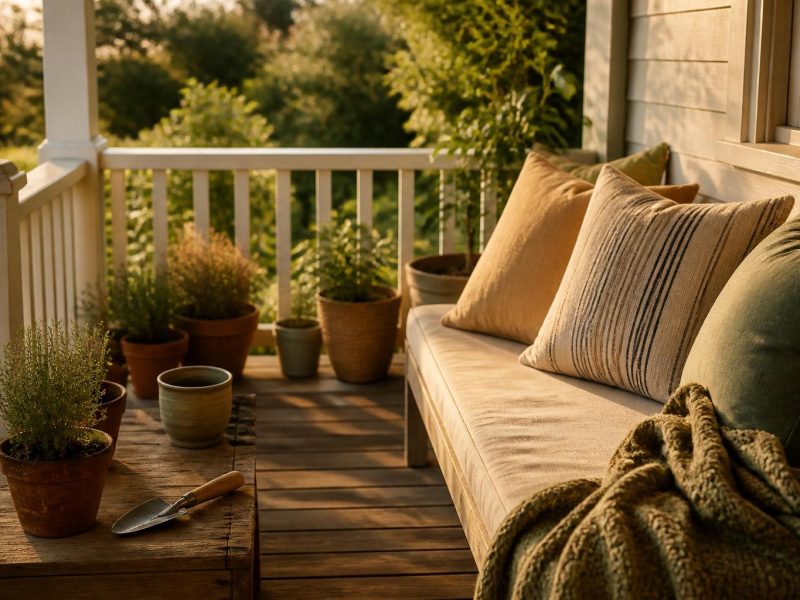
Transform outdoor spaces into cozy rooms that extend living areas. Use shade sails or pergolas to define seating zones, and choose weather-resistant fabrics in colors that coordinate with interior decor. Layer lighting, textiles, and greenery to create a inviting atmosphere for year-round use, echoing the comfort of indoor rooms.
Incorporate weatherproof storage and tool organization to keep your garden essentials tidy and accessible. A well-organized space reduces friction between ongoing tasks and leisure, making the outdoor room feel as livable as an interior lounge and reinforcing a unified home aesthetic across both domains.
Final Thoughts on a Cohesive Home-Garden Look
Putting these ideas into practice yields a landscape that supports health, flavor, and beauty while aligning with interior design and decor aspirations. Consistency matters: match color schemes, textures, and materials across garden beds, containers, and indoor displays. This cohesion elevates your home improvement journey from mere maintenance to a confident, expressive practice.
Remember that gardening is an evolving process, not a static project. Revisit plans seasonally, track what succeeds, and adapt strategies for weather changes and lifestyle shifts. A thoughtful approach creates a resilient garden that enhances interior spaces and reflects your personal style, year after year.