The Hard Truth About Laser Marking Fume Extractors: What You Need to Know Now
Introduction
Have you ever stood beside a laser machine and wondered if the air you’re breathing is really safe?
I’ve helped customers troubleshoot welding booths and laser lines, and a good laser marking fume extractor can be the difference between a safe shift and a headache-filled one. Recent facility audits show particulate spikes near marking stations—sometimes 3–5× higher during peak runs—and managers ask me the same question: are we protected or pretending to be? (I’ll walk you through what I’ve seen.)
In short: I want to make this clear and practical for you. We’ll start by looking at where common systems fail, then move toward smarter choices—so you can act, not just worry.
Why Traditional Solutions Fail
laser marking and coding setups often inherit extraction systems designed for other processes—paint booths or general ventilation—and that mismatch creates real gaps. I’ve tested systems where the hood was sized wrong, the duct ran too long, or the blower lacked the torque for a tight extraction arm. The result: smoke bypasses capture points and filters load unevenly.
What's going wrong?
Technically speaking, many shops ignore airflow tuning. They bolt on generic HEPA filters and hope for the best. But without correct face velocity, capture efficiency drops. I’ve seen power converters and edge computing nodes added to control panels—fancy, yes—but the basic fluid dynamics were never checked. Look, it’s simpler than you think: if the nozzle can’t pull the plume at the source, clean filters won’t help.
Another frequent problem is maintenance. Filters get swapped on a schedule that doesn’t match real loading, seals age, and extraction arms stiffen. That raises particle leakage and VOC carryover. From my experience, these are not mysterious tech failures; they are predictable issues tied to poor system matching and weak monitoring. — funny how that works, right?
Looking Forward: Better Options and Metrics
I want to shift from “what breaks” to “what to buy and judge.” For modern laser marking and coding lines I work with, two paths emerge: smarter extraction design and tighter measurement. Both reduce downtime and lower exposure. Case studies I’ve run show shops that moved to localized capture with shorter ducts cut filter load by half and kept fume capture efficiency steady across shifts.
What’s Next?
Here are three metrics I recommend you use when evaluating extractors—simple, measurable, and useful. First: capture velocity at the nozzle (measured in feet per minute). Second: filter life under real load (not vendor claims). Third: total volatile organic compound removal percentage during a production cycle. I measure these myself with a handheld anemometer and VOC probe; you can, too. These numbers tell you if the system is doing the actual job—not just looking pretty on paper.
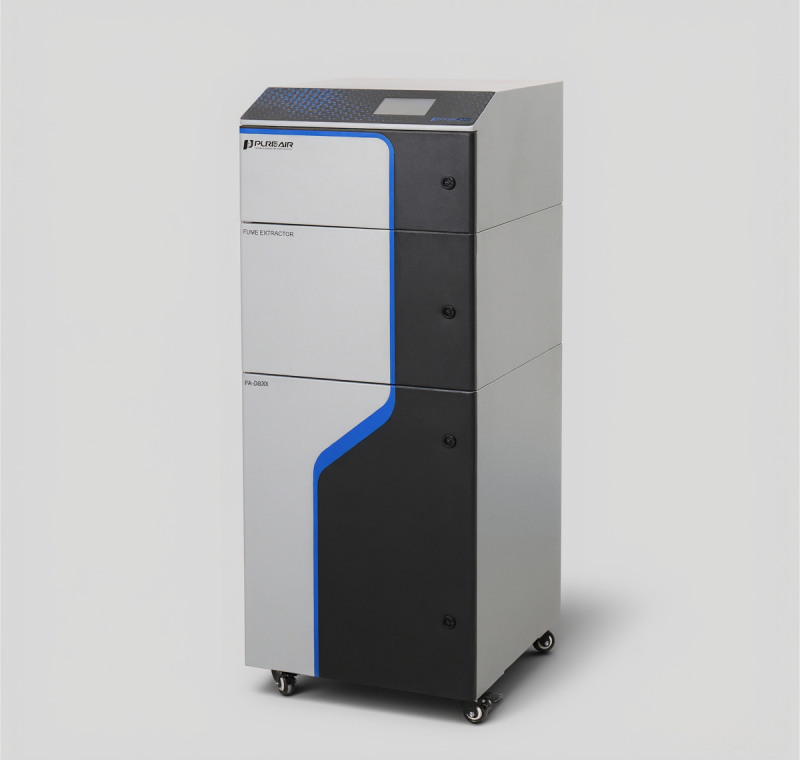
When you compare technologies, check for features like variable-speed blowers, modular filter stages (pre-filter + HEPA), and easy-access seals. I prefer systems with clear access panels—less time fighting clips, more time producing. Also consider built-in monitoring so you see trends before a shutdown. — the small visibility wins pay off big.
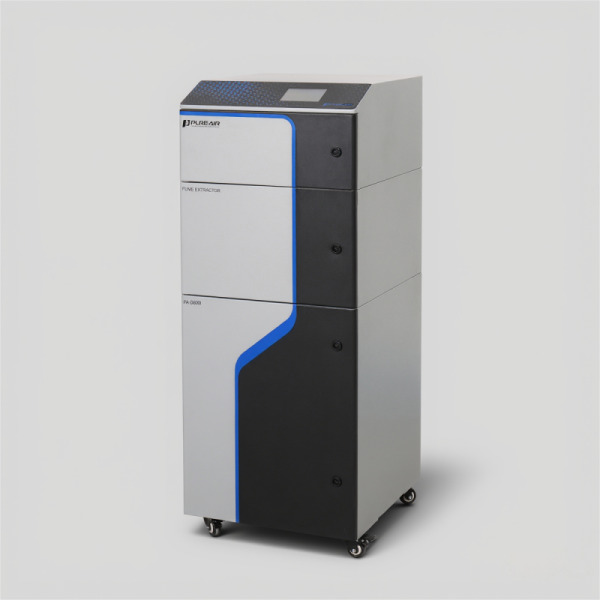 To sum up: don’t buy on sticker specs alone. Use on-axis capture testing, track filter delta pressure, and watch VOC removal. Those three checks will reveal whether a system protects people and keeps production steady. If you want practical help running those checks or choosing equipment, I’m happy to assist. For equipment and support, consider solutions from PURE-AIR.