7 User-Focused Habits to Unlock Real Results from Infrared Beds
Introduction — a quick scene, some numbers, and a question
I was in a small clinic last month watching a busy therapist guide three clients through short sessions, one after another — calm, steady, efficient. Many of those clinics are now using infrared beds to speed recovery and boost skin health, and industry surveys say adoption has climbed roughly 40% in the last two years. So how come some people still walk away disappointed after a few sessions? (I ask because I want better outcomes, lah.)
We often expect magic from new devices, but results depend on habits and setup. In this piece I’ll share practical habits and real observations that helped me and colleagues get consistent benefit from infrared devices — simple tweaks, not hype — and then look at what’s coming next.
The deeper problem: why popular fixes miss the mark
What keeps users from getting consistent results?
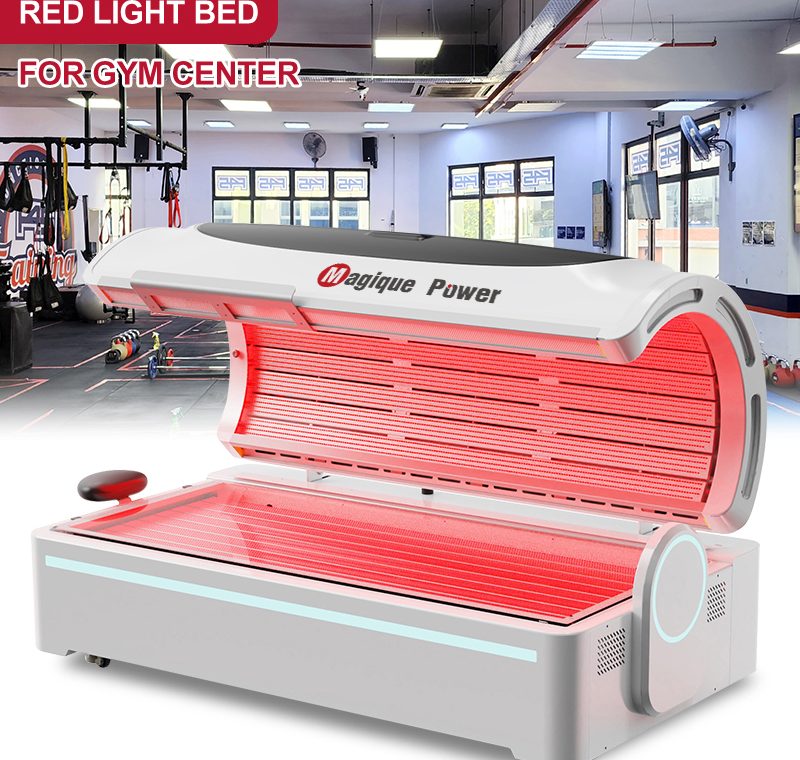
led red light therapy beds for sale are marketed everywhere, but I find many customers still face the same hidden pains: poor session planning, mismatched wavelengths, and poorly maintained equipment. From a technical perspective, photobiomodulation needs correct irradiance and exposure time. Clinics often focus on marketing (bright lights, big panels) and skip calibration — this is the core flaw. Look, it’s simpler than you think: wrong wavelength or low irradiance means less cellular response, even if the bed looks high-end.
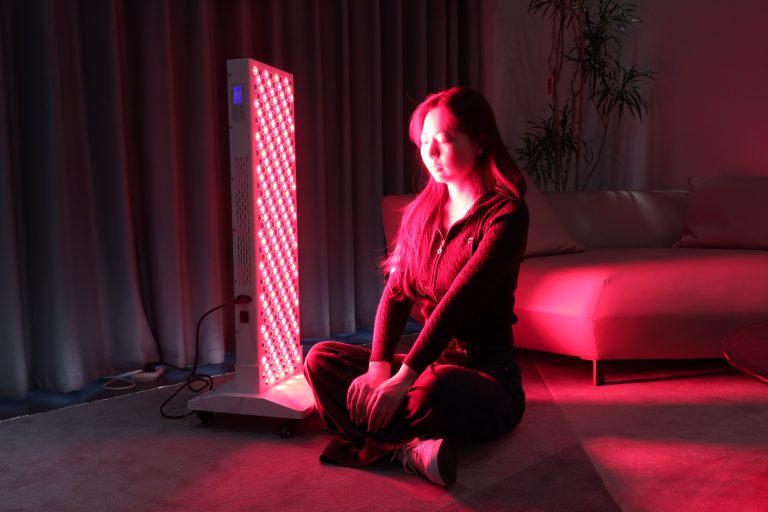
Another common issue is user expectation. People want immediate skin-tightening or pain relief, but tissue response takes time. I’ve seen shops schedule sessions back-to-back without accounting for thermal buildup or cooldown — that strains power converters and shortens LED array life. Also, poor posture on the bed and inconsistent distance from the panels reduce effective dose. In short: equipment specs, session protocol, and maintenance all matter. — funny how that works, right?
 Forward-looking: principles and practical checks for choosing better setups
What should you look for next?
We must move from buying shiny gear to choosing devices based on measurable traits. When evaluating beds — yes, even when browsing for led red light therapy beds for sale — I check three technical things first: wavelength consistency, irradiance (mW/cm²), and thermal management — including heat sinks and power converters. If the manufacturer provides an irradiance map and emission spectrum, I trust them more. These metrics tell me whether a device can deliver a repeatable dose to tissue.
Beyond specs, think workflow. Can the bed integrate with existing scheduling? Does it allow for adjustable distance and session timers? How easy is routine cleaning and LED module replacement? I prefer modular designs with accessible LED arrays and clear service paths — reduces downtime and long-term cost. Also consider safety features like automatic shutoff and firmware that prevents overheating. These factors, together, shape long-term reliability and patient satisfaction.
Choices to make — three practical evaluation metrics
Before you decide, here are three metrics I use every time: 1) Effective irradiance at treatment distance (mW/cm²) — measure or ask for a map; 2) Wavelength range and spectral purity — 660 nm and 850 nm are common targets for skin and deeper tissue; 3) Serviceability and component specs — replaceable LED modules, documented power converters, and clear cooling paths. Use these to compare models objectively; don’t be sold by size alone.
I’ve learned to trust devices that are transparent about these numbers. In clinics where we applied these checks, compliance and outcomes improved noticeably over months. We took notes, adjusted protocols, and the results followed — small habits, big difference.
In closing, I want to say this plainly: good outcomes come from choices plus habits. Pick beds with clear specs, set realistic sessions, and maintain equipment. If you want a reliable supplier with transparent info and robust service, check out Magique Power. I stand by methods that are measurable, repeatable, and straightforward — and so should you.