Creating a Healthy Water Garden: From Marginal Plants to Water Lilies
A practical guide to building a pond plant lineup that thrives, with British pond plants and water lilies thriving alongside marginal varieties.
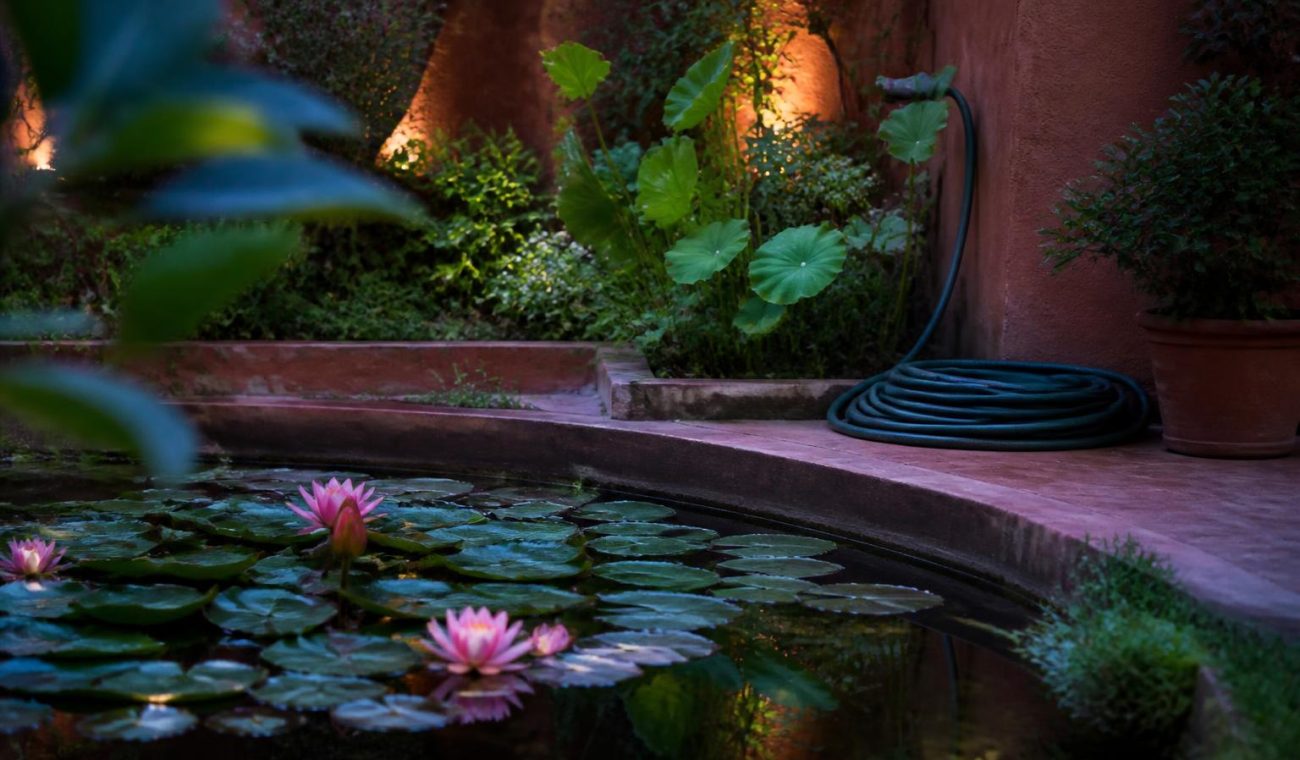
Designing a Balanced Water Garden
A successful pond garden starts with a clear plan for depth, sunlight, and planting zones. Consider a gently sloping shelf for marginal pond plants, ensuring their roots stay moist while their foliage remains visible. For beginners, select a mix of British pond plants that are well adapted to local climates, then add a flagship water lily to anchor the display. Marginal Pond Plants help you achieve texture along the pond’s edge, while avoiding overcrowding later in the season.
Think in layers: submerged, marginal, and floating plants create a resilient micro-ecosystem that filters water and provides habitat. The goal is not to fill the surface with foliage but to balance light penetration, oxygen exchange, and root depth. When you choose pond plant varieties with staggered bloom times, you extend the ornamental period without stressing the water chemistry or the fish that dwell below.
Choosing British Pond Plants for Local Conditions
Selecting British pond plants means prioritizing varieties that tolerate our native rainfall patterns and seasonal temperature shifts. Look for robust species that resist leaf scorch in bright sun and remain graceful during cooler nights. A well-curated mixture of marginals, slightly deeper water plants, and a few hardy water lilies can resist pests and diseases common to many ornamental ponds when kept under proper light and nutrient control.
Maintenance becomes simpler when you group plants by their root depth and growth rate. Marginal pond plants should be positioned at the water’s edge where they can spread without invading deeper zones. Choosing water lilies with varying bloom times ensures colour through late spring to late summer, while British pond plants that tolerate partial shade give you versatility if your pond faces daily sun shifts.
Integrating Water Lilies for Dramatic Focal Points
Water lilies provide a striking, sculptural element to any pond with their broad leaves and elegant blooms. For best results, plant lilies in baskets placed on a secure ledge at a depth that suits the variety—typically three to five feet for many hardy types. Their shade helps curb algae by limiting sunlight, but you must ensure adequate circulation beneath the surface to prevent stagnation and keep the blooms pristine.
Choosing a mix of morning-blooming and evening-blooming water lilies can extend the visual appeal across the day. In cooler months, deadhead spent blossoms to promote robust flowering next season, and monitor nutrient levels to avoid excessive algae growth. Water lilies also contribute to the pond’s oxygen budget when supported by healthy marginal plant roots and steady water movement.
Marginal Plants: Edge Appeal and System Health
Marginal pond plants offer a critical interface between land and water, stabilising muddy edges and absorbing excess nutrients that fuel algae. Position these plants on a gentle slope where their roots reach the moist substrate but leaves remain accessible for routine care. Good margins often include a mix of irises, lobelia, and carpenter’s-style grasses that sway with breeze, adding dynamic movement to the bed.
Regularly inspecting the margins helps prevent overgrowth that can smother deeper plantings. Subdivide thick clumps when necessary to maintain airflow and water circulation. The right marginal ensemble not only beautifies the pond’s border but also improves habitat quality for beneficial insects and amphibians, reinforcing the ecosystem’s resilience during droughts or heavy rain events.
Water Quality, Light, and Nutrients
Water quality sets the baseline for all pond plants to flourish; poor clarity or imbalanced nutrients quickly suppress blooms and stunt growth. Install a simple filtration loop and consider a low-toxicity aquatic fertilizer to sustain balanced growth across submerged and floating species. Keep an eye on nitrates and phosphates, as elevated levels encourage algae that competes with your prized pond plant varieties for light and oxygen.
Sun exposure governs how much bloom you’ll see and how quickly leaves age. Too much sun can scorch leaves of more delicate marginal plants, while insufficient light dulls blooms on water lilies. By alternating planting depths and grouping species with similar light needs, you’ll achieve steadier flowering, cleaner water, and a healthier, more inviting pond environment.
Seasonal Care and Winter Readiness
Seasonal care revolves around preparing plants for temperature shifts and ensuring that the pond retains essential warmth and oxygen. Remove dead foliage and prune marginal plants to prevent decay from polluting the water. If you harvest older leaves selectively, you improve light transmission to lower growth zones and support subsequent growth bursts in spring.
Winter readiness includes moving tender marginal plants to sheltered spots or wrapping containers to protect roots from freezing. Water lilies often benefit from a deeper, insulated setup that shields their rhizomes. By documenting plant responses year-to-year, you can fine-tune depth, spacing, and pruning regimes to accommodate evolving weather patterns and garden goals.
Integrated Planting Schemes for Low Maintenance
Designing a low-maintenance layout hinges on plant compatibility and strategic placement. Combine a few hardy water lilies with a curated set of marginal pond plants and targeted submerged varieties to maintain oxygenation and reduce algae risk. Once the arrangement stabilises, routine tasks become straightforward: weekly checks for leaf debris, monthly nutrient dosing, and seasonal pruning to sustain structure and health.
Consider a seasonal rotation where you swap a couple of marginal species annually to refresh textures and colours without heavy digging. This approach keeps your pond visually engaging while preserving ecological balance. A well-thought-out scheme also simplifies mosquito control by encouraging predators and promoting swift water turnover through adequate circulation.
Keep reading
 Home
Home
A Practical Guide to Year-Round Home Garden Projects: From Interior Comfort to Exterior Beauty
 Real Estate
Navigating Real Estate in a Shifting Housing Market: Practical Guidance for Buyers and Investors
 Casino